If you have never ordered custom bags from China before, the process can seem intimidating. I get it. You are dealing with a factory on the other side of the world, in a different time zone, speaking a different language. How do you know they are legit? How do you make sure the quality is right? What if something goes wrong?
I have been helping international buyers source packaging from China for over 10 years. I have seen the good, the bad, and the ugly. In this guide, I will walk you through the entire process step by step, so you can order with confidence.
Step 1: Know What You Need
Before you reach out to any supplier, get clear on your requirements. This saves everyone time and helps you get accurate quotes faster.
Here is what you should have ready:
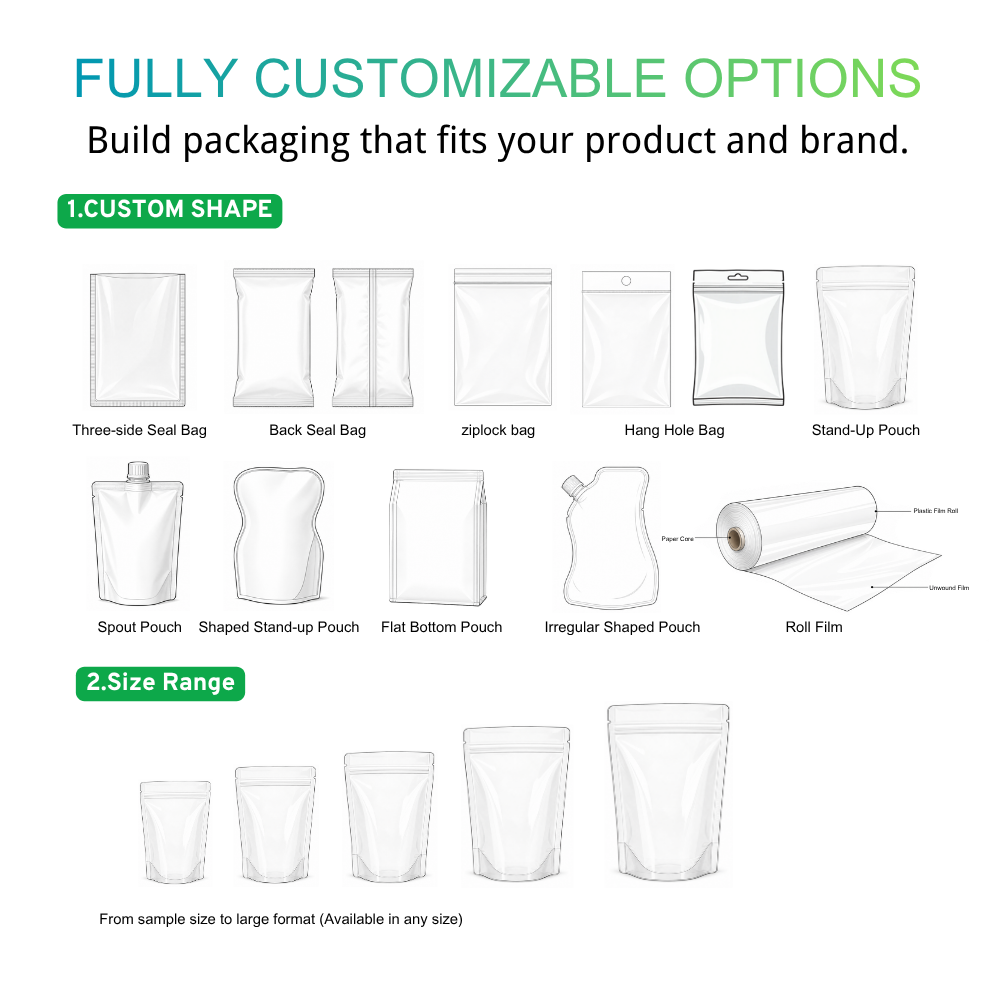
- Bag type – Shopping bag, stand up pouch, flat bag, vest bag, or something else?
- Size – Width, height, and gusset (if applicable). If you are not sure, tell us what product goes inside and we can recommend a size.
- Material – HDPE, LDPE, PP, PET, aluminum foil, kraft paper, or non-woven? Each has different properties and price points.
- Thickness – Usually measured in microns or mils. Thicker means stronger but more expensive.
- Printing – How many colors? Do you have a design file ready (AI, PDF, or high-res PNG)?
- Quantity – How many pieces do you need? This affects the unit price significantly.
- Special features – Ziplock, handle, hang hole, tear notch, valve, window?
If you are not sure about any of these, that is fine. A good supplier will help you figure it out.
Step 2: Find and Contact Suppliers
You can find Chinese packaging manufacturers on Alibaba, Made-in-China, Google, or trade shows. But here is the thing – not all suppliers are factories. Many are trading companies that add a markup on top of the factory price.
How to tell the difference:
- Ask for a video tour – A real factory will show you their production line. A trading company will make excuses.
- Ask about MOQ – Factories usually have higher MOQs (1,000-10,000 pieces). Trading companies are more flexible but charge more.
- Ask for certifications – ISO, SGS, FDA certificates should have the factory name, not a trading company name.
When you contact a supplier, be specific about what you need. Send your requirements in a clear, organized message. This shows you are a serious buyer and helps the supplier give you an accurate quote quickly.
Step 3: Get Samples
Never skip this step. Always order samples before placing a bulk order. This is the only way to verify the quality, material, thickness, and printing.
Most factories charge a small fee for samples (usually $20-50 plus shipping). Some offer free samples if you pay the shipping cost. This is normal and reasonable.
When you receive the samples, check:
- Material quality – does it feel right? Is the thickness correct?
- Printing quality – are the colors accurate? Is the text readable?
- Seal strength – can you easily tear the bag?
- Size accuracy – does it match your specifications?
- Overall finish – does it look professional?
If something is not right, tell the supplier. A good supplier will adjust and send revised samples.
Step 4: Confirm the Order
Once you are happy with the samples, it is time to confirm the order. Here is what you need to agree on:
- Final specifications – Size, material, thickness, printing, quantity
- Unit price – Make sure it includes everything (printing, packaging, labeling)
- Payment terms – Standard is 30% deposit, 70% before shipping. Never pay 100% upfront.
- Production time – Usually 15-25 days after deposit
- Shipping method – Sea freight (cheapest, 20-40 days) or air freight (fastest, 5-10 days)
Get everything in writing. A professional supplier will provide a formal quotation and sales contract.
Step 5: Production and Quality Control
After you pay the deposit, production starts. A good supplier will send you production updates and photos during the process.
Before shipping, ask for:
- Product photos and videos
- Quantity verification
- Quality inspection report (if available)
- Packing list
Some buyers hire third-party inspection companies like SGS or Bureau Veritas to check the goods before shipping. This costs extra but gives you peace of mind for large orders.
Step 6: Shipping and Delivery
Your supplier should handle all the export documentation including commercial invoice, packing list, and bill of lading.
Shipping options:
- Sea freight – Best for large orders. Takes 20-40 days depending on your location. Cheapest option.
- Air freight – Best for urgent or small orders. Takes 5-10 days. Costs 3-5x more than sea freight.
- Express (DHL/FedEx/UPS) – Fastest (3-7 days) but most expensive. Only for small quantities.
Your supplier should help you with customs clearance documentation. Some even offer door-to-door delivery.
Common Mistakes to Avoid
- Choosing the cheapest supplier – You get what you pay for. The cheapest option often means lower quality materials or hidden costs.
- Skipping samples – Always test before ordering bulk. No exceptions.
- Paying 100% upfront – Standard practice is 30% deposit, 70% before shipping.
- Not getting everything in writing – Verbal agreements mean nothing. Get all specifications, prices, and terms in writing.
- Ignoring shipping costs – Shipping can add 20-40% to your total cost. Factor this in from the beginning.
Ready to Start?
Ordering custom bags from China does not have to be complicated. With the right supplier, the process is smooth and straightforward.
We have been helping businesses worldwide with their packaging needs for over 20 years. Whether you need 1,000 bags or 10 million, we can help.
Send us your requirements and we will get back to you within 12 hours with a detailed quote.
WhatsApp: ++86 183 3015 1663
Email: yifenghongyaopack@163.com